How to Make Old Clothes Feel New Again
You don’t always need a shopping trip to make your wardrobe feel fresh.
Sometimes, the clothes already hanging in your closet simply need a little attention. A favorite sweater may have developed tiny pills. Your black jeans may look faded. A shirt you used to love might feel boring because you’ve worn it the same way for years.
Instead of getting rid of perfectly good clothes, try giving them a refresh.
With a little cleaning, simple repair, creative styling, and better clothing care, you can make old clothes feel surprisingly new again. It’s an easy way to save money, reduce waste, and get more use from the pieces you already own.
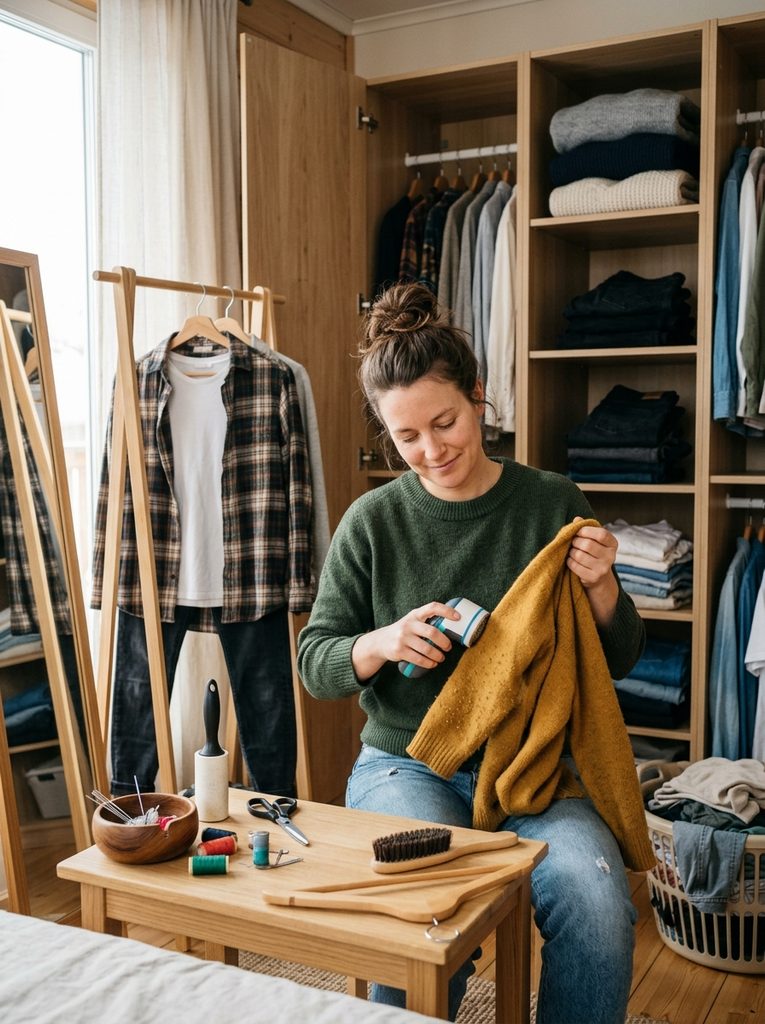
Here are some simple ways to refresh your wardrobe without buying a whole new one.
Start With a Closet Clean-Out
Before you try to refresh your clothes, take everything out of your closet that you haven’t worn recently.
You don’t have to empty the entire wardrobe at once. Start with one category, such as shirts, jeans, sweaters, or dresses.
As you go through each piece, ask yourself:
Does this still fit me?
Is it in good condition?
Would I wear it if it looked fresh again?
Can I style it differently?
Separate your clothes into three groups:
- Keep and refresh
- Repair or alter
- Donate, recycle, or repurpose
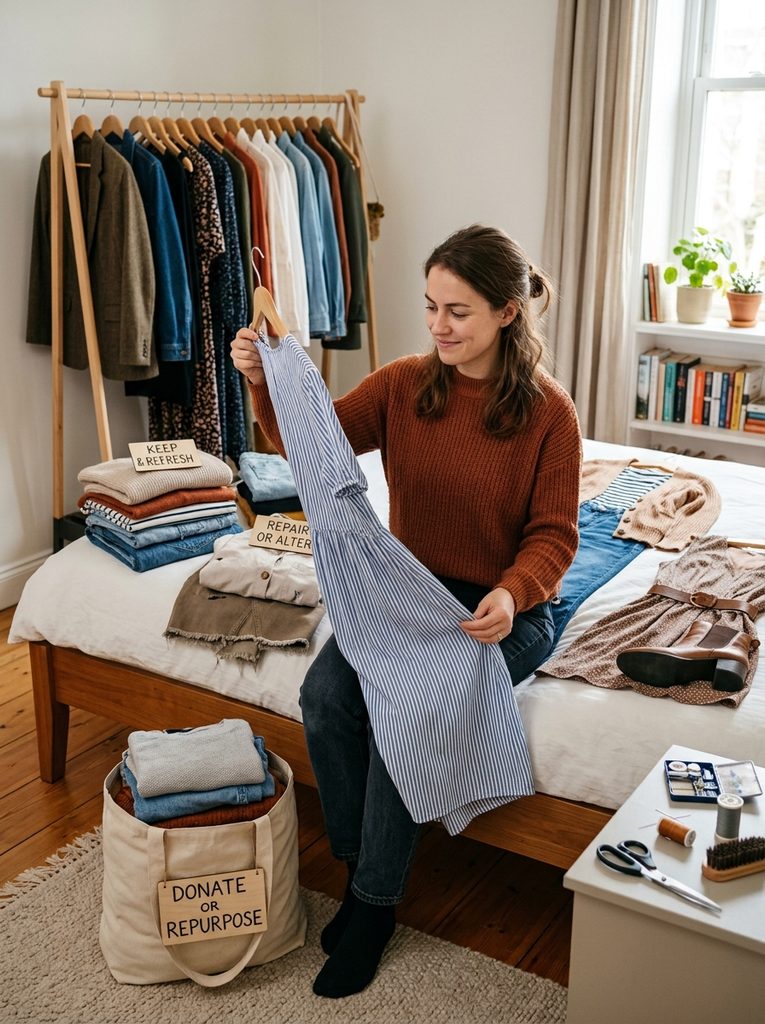
This simple process can help you rediscover pieces you had completely forgotten about.
You may even find that you already own several outfits you thought you needed to buy.
Give Your Clothes a Proper Wash
Sometimes old clothes don’t actually look old. They simply need a better wash.
Over time, fabric can collect sweat, body oils, dust, detergent residue, and odors. Even clothes that appear clean can lose that fresh feeling after repeated wear.
Always check the care label before washing.
Different fabrics need different levels of care, so avoid treating every garment the same way.
For everyday clothing, using the correct detergent, water temperature, and washing cycle can help preserve the fabric and color.
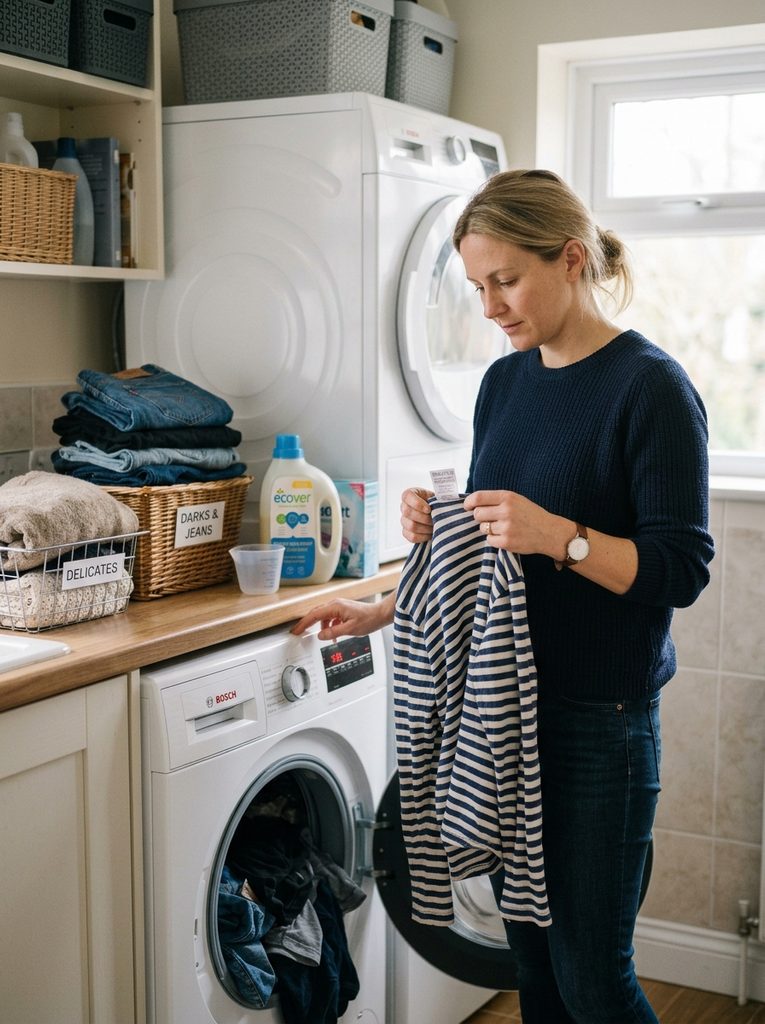
And don’t automatically wash something after every single wear if it isn’t dirty or sweaty. Overwashing can contribute to fading, stretching, and fabric wear.
Remove Those Annoying Fabric Pills
Few things make a sweater look older faster than pilling.
Those tiny balls of fabric usually appear in areas that experience friction, such as under the arms, along the sides, or where a bag rubs against your clothing.
Fortunately, pilling doesn’t necessarily mean the garment is finished.
A fabric shaver or sweater comb can help remove pills from suitable fabrics.
Work slowly and gently. Don’t press too hard because aggressive scraping can damage the material.
Once the pills are removed, a tired-looking sweater can look much cleaner and more polished.
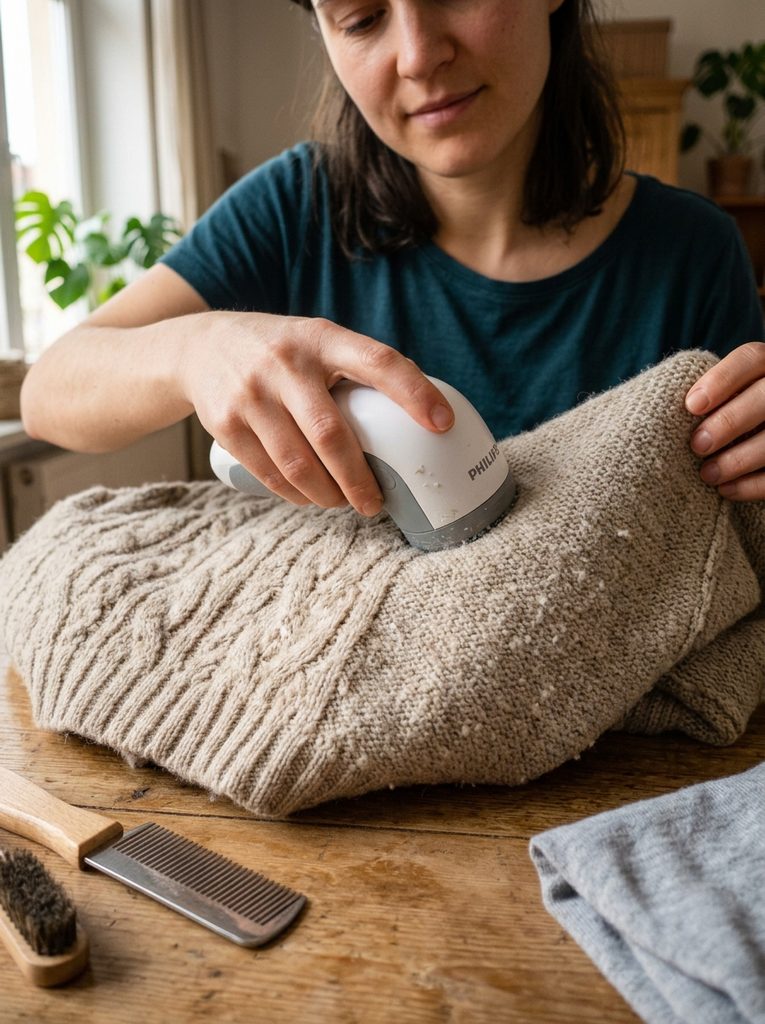
For delicate clothing, always test your method on a small, less visible area first.
Bring Faded Black Clothes Back to Life
Black clothing can gradually lose its rich color after repeated washing.
That favorite black T-shirt or pair of jeans may eventually start looking gray instead of deep black.
You can help prevent further fading by turning dark clothing inside out before washing.
Use a detergent suitable for dark colors when appropriate, and follow the garment’s care instructions.
Avoid unnecessary exposure to strong sunlight when drying dark clothes.
If a garment is already significantly faded, fabric dye may be an option for some materials. Check the fabric composition and dye instructions carefully before trying it.
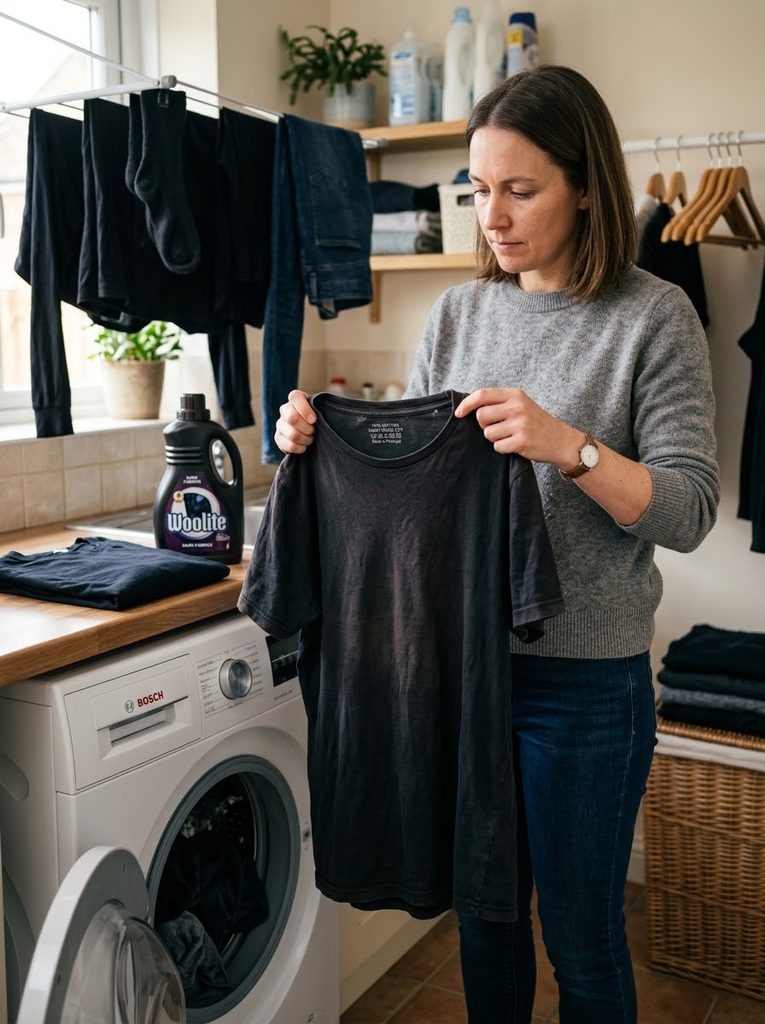
A faded piece doesn’t always need to go into the donation pile.
Sometimes it simply needs a color refresh.
Make White Clothes Look Fresh Again
White clothing can lose its brightness over time.
It may become dull, yellowish, or slightly gray, especially after repeated wear.
Start by separating whites from darker clothes when possible.
Treat visible stains before washing, and follow the care instructions on the garment.
For suitable fabrics, a laundry product designed to brighten whites can help improve their appearance.
Avoid using harsh cleaning methods simply because something is white. Delicate fabrics can be damaged by treatments that are too strong.
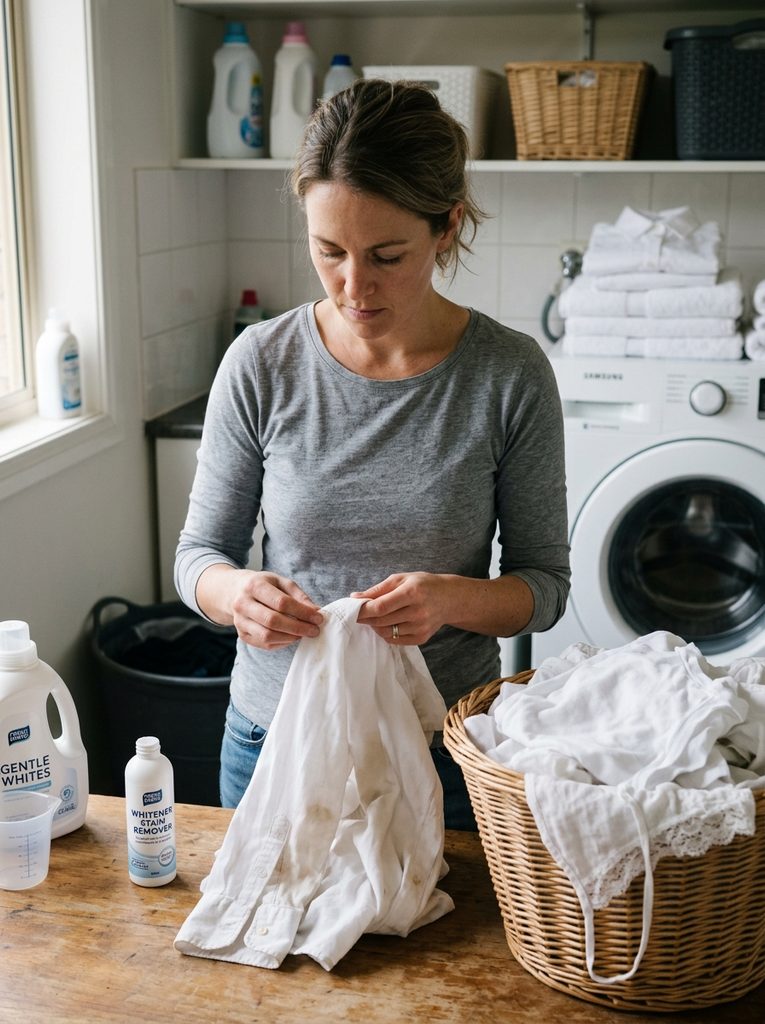
Gentle, consistent laundry care is often better than trying to rescue a garment with an aggressive treatment later.
Replace Missing Buttons
A missing button can make an otherwise perfectly wearable shirt or cardigan look unfinished.
Luckily, replacing a button is one of the easiest clothing repairs to learn.
Keep a small sewing kit with:
- Needles
- Matching thread
- Small scissors
- Spare buttons
- Safety pins
- Measuring tape
If you have the original button, use it as a guide for size and color.
If you don’t have a matching button, don’t be afraid to get creative.
Wooden, metallic, colorful, or vintage-style buttons can completely change the personality of a basic garment.
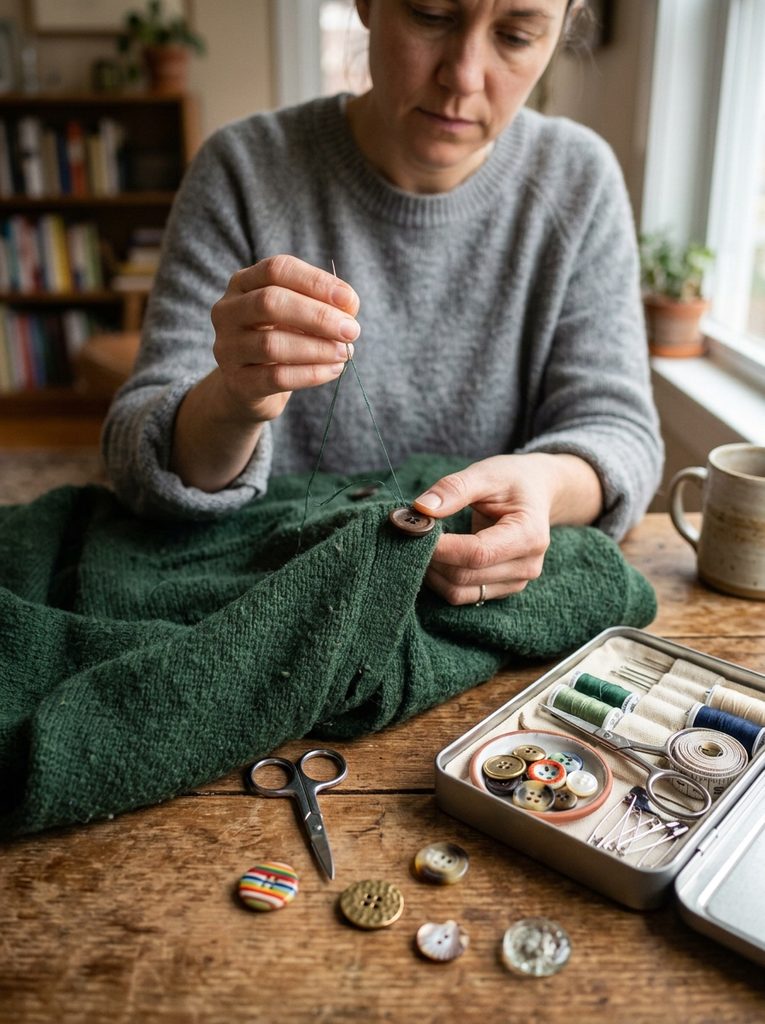
Sometimes a tiny detail is all an old piece needs.
Repair Small Tears Before They Get Worse
A tiny tear or loose seam may not seem important today, but it can become a much bigger problem after another few washes.
Make a habit of checking your clothes occasionally for:
- Loose stitching
- Small holes
- Open seams
- Loose hems
- Missing hooks
- Damaged pockets
Fixing a small problem early is usually easier than repairing a large tear later.
If you’re not comfortable sewing, simple alterations can also be handled by a local tailor.
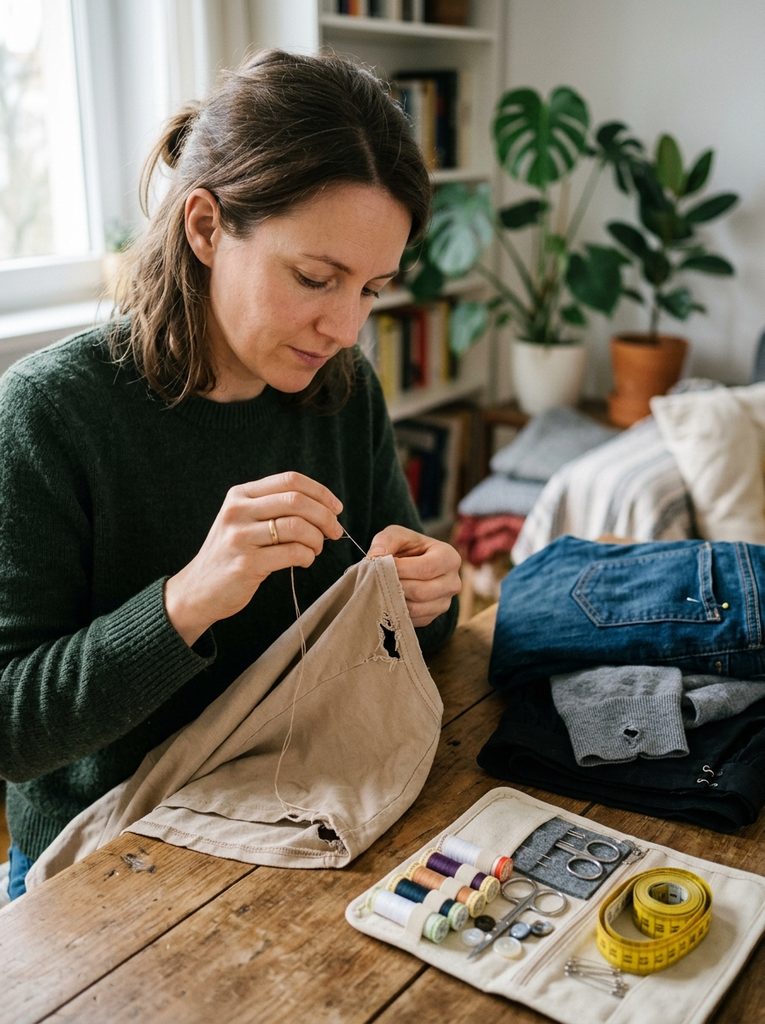
A small repair can give a favorite garment many more wears.
Change the Way You Style Your Old Clothes
This is one of the easiest ways to make clothes feel new without spending anything.
Sometimes we’re bored with a garment because we’ve been wearing it in exactly the same way.
Take an old button-down shirt and try wearing it open over a simple T-shirt.
Wear your favorite jeans with a blazer instead of a casual top.
Add a belt to a loose dress.
Layer a sweater over a collared shirt.
Try different shoes.
The clothing hasn’t changed, but the outfit has.
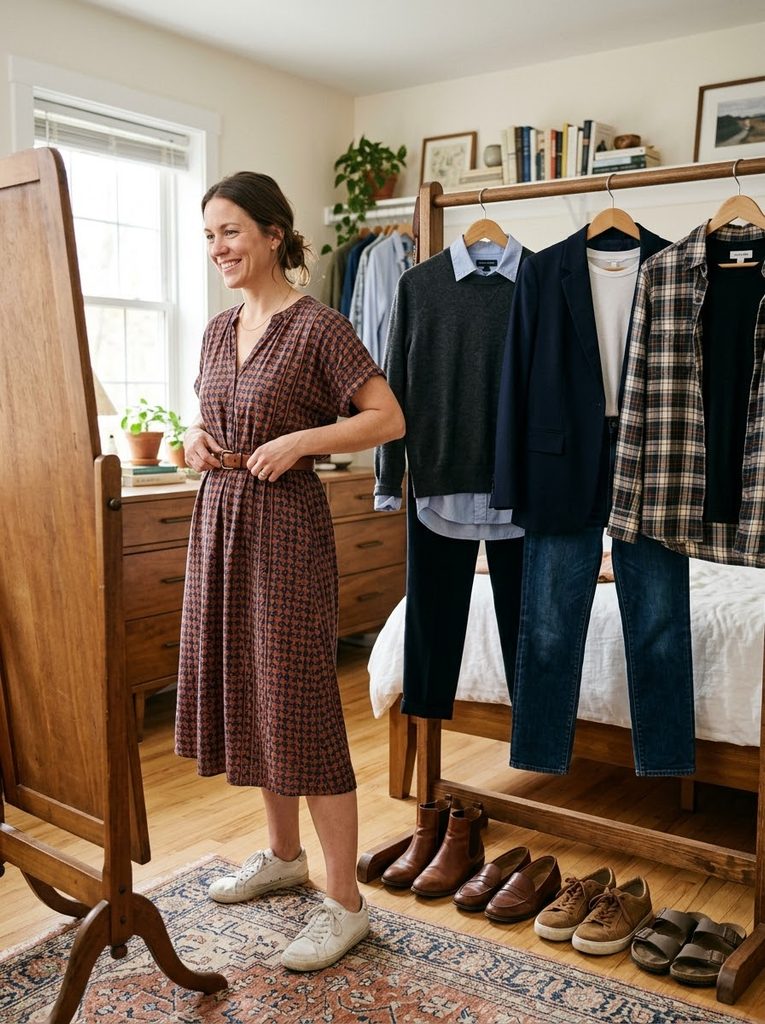
Before deciding that something is outdated, ask yourself whether you’ve actually tried styling it in a new way.
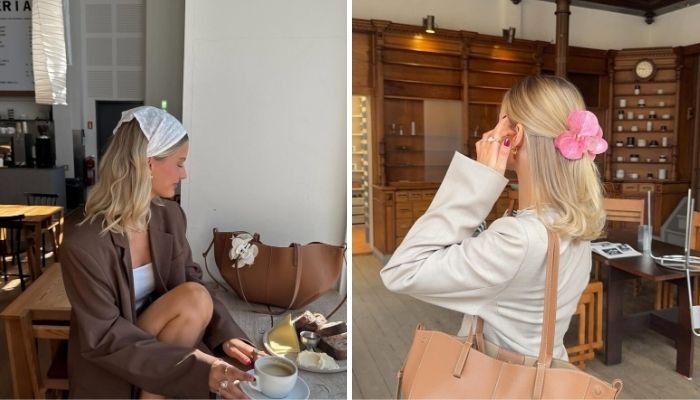
Use Accessories to Transform Familiar Outfits
Accessories can completely change the appearance of basic clothing.
A plain dress can look completely different with a belt and statement earrings.
An old pair of jeans can feel more polished with a structured bag and a blazer.
A simple shirt can become more interesting with a scarf, necklace, or layered jacket.
Try experimenting with accessories you already own.
You may discover combinations you’ve never considered before.
Some easy wardrobe-refreshing accessories include:
- Belts
- Scarves
- Jewelry
- Handbags
- Watches
- Hats
- Hair accessories
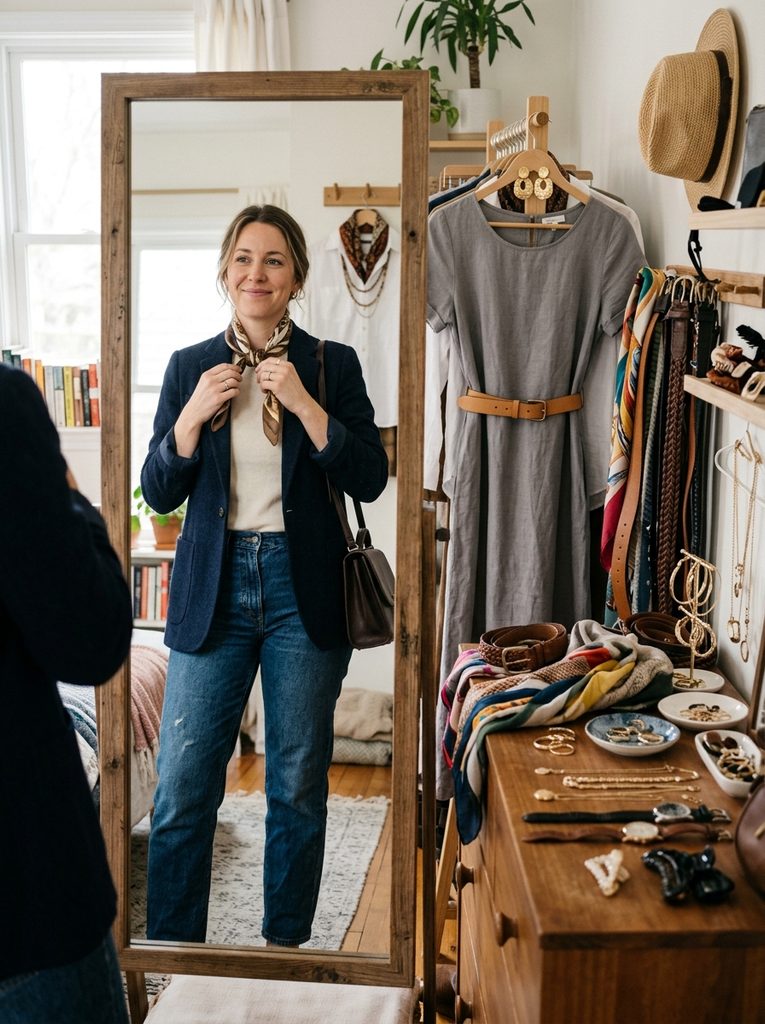
You don’t need a new outfit when a few small details can change the entire look.
Give Old Jeans a Fresh Look
Jeans are one of the easiest pieces to reinvent.
Instead of wearing your old jeans with the same T-shirt every time, create different outfit combinations.
Try:
Casual: Jeans + T-shirt + sneakers
Polished: Jeans + button-down + loafers
Layered: Jeans + fitted top + oversized cardigan
Smart casual: Jeans + blazer + simple accessories
You can also change the appearance of jeans by cuffing the hem or pairing them with completely different shoes.
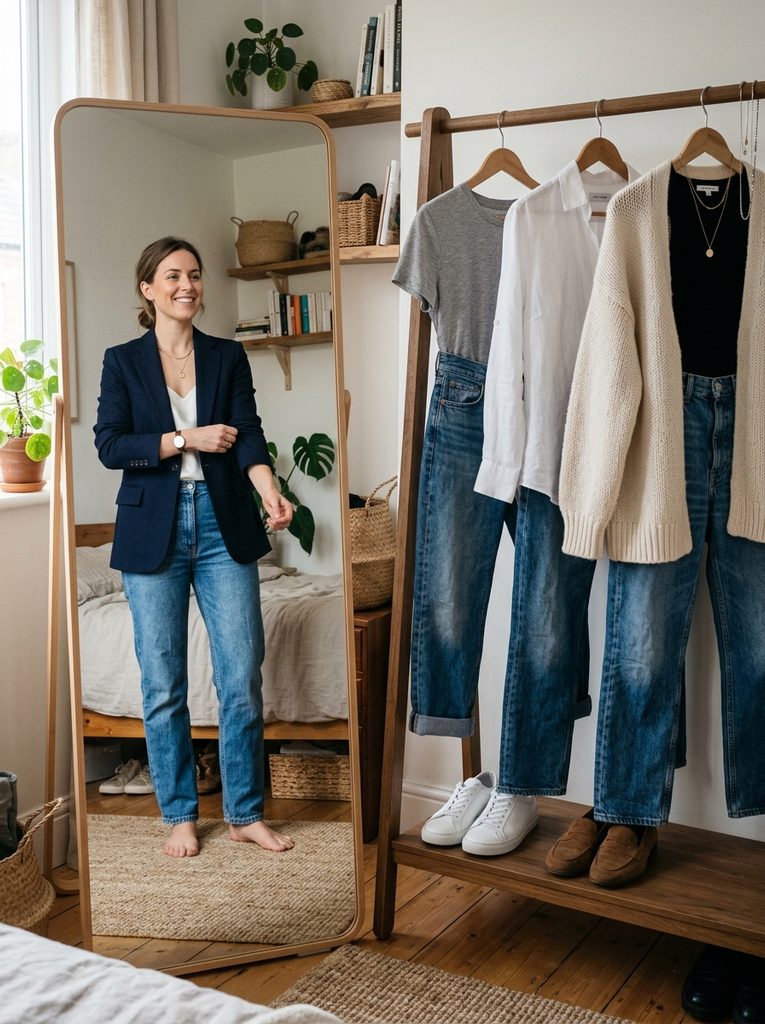
A familiar pair can suddenly feel new.
Consider a Small Clothing Alteration
Sometimes the real problem isn’t the clothing itself.
It’s the fit.
A dress may be too long. A pair of trousers may be slightly loose. A jacket might need the sleeves shortened.
Instead of getting rid of the garment, consider having it altered.
A simple alteration can change the entire appearance of a piece.
Common adjustments include:
- Shortening hems
- Adjusting waistlines
- Changing sleeve length
- Taking in loose areas
- Improving the fit around the shoulders
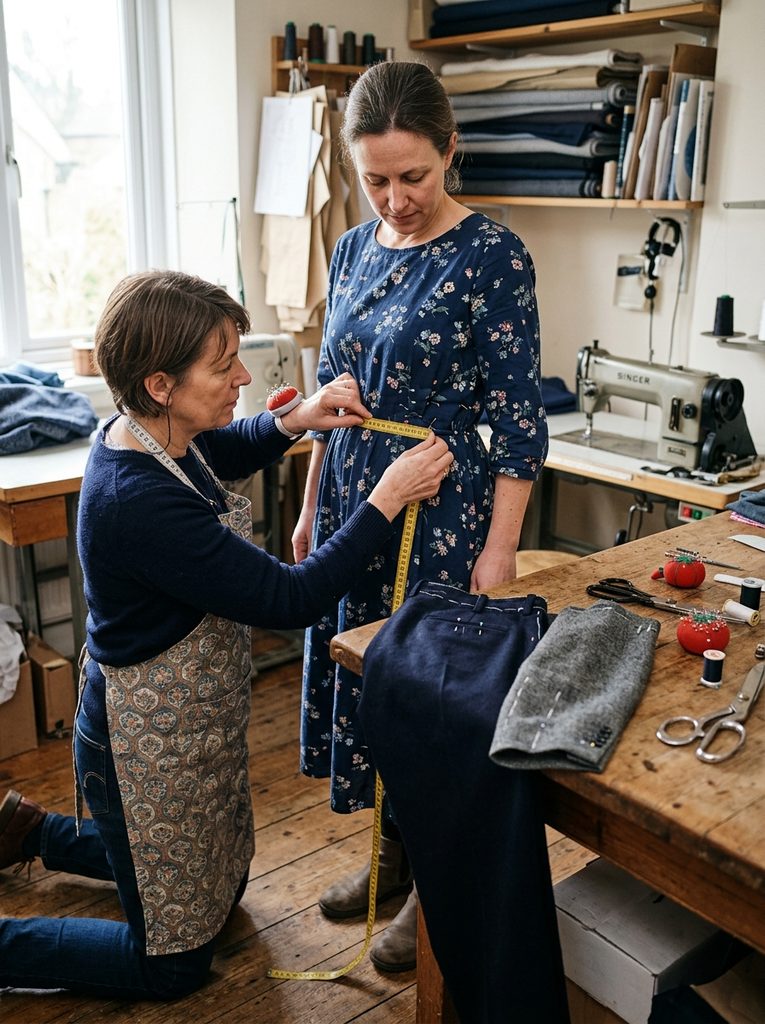
A well-fitting older garment can look much better than a brand-new piece that doesn’t fit properly.
Try Simple Embroidery
If you enjoy DIY projects, embroidery can give an old piece a completely new personality.
You don’t need to create an elaborate design.
Start with something simple, such as:
- A small flower
- A heart
- A leaf
- Your initials
- A tiny star
- A simple geometric shape
You can add a small embroidered design to a shirt pocket, sleeve, collar, or jacket.
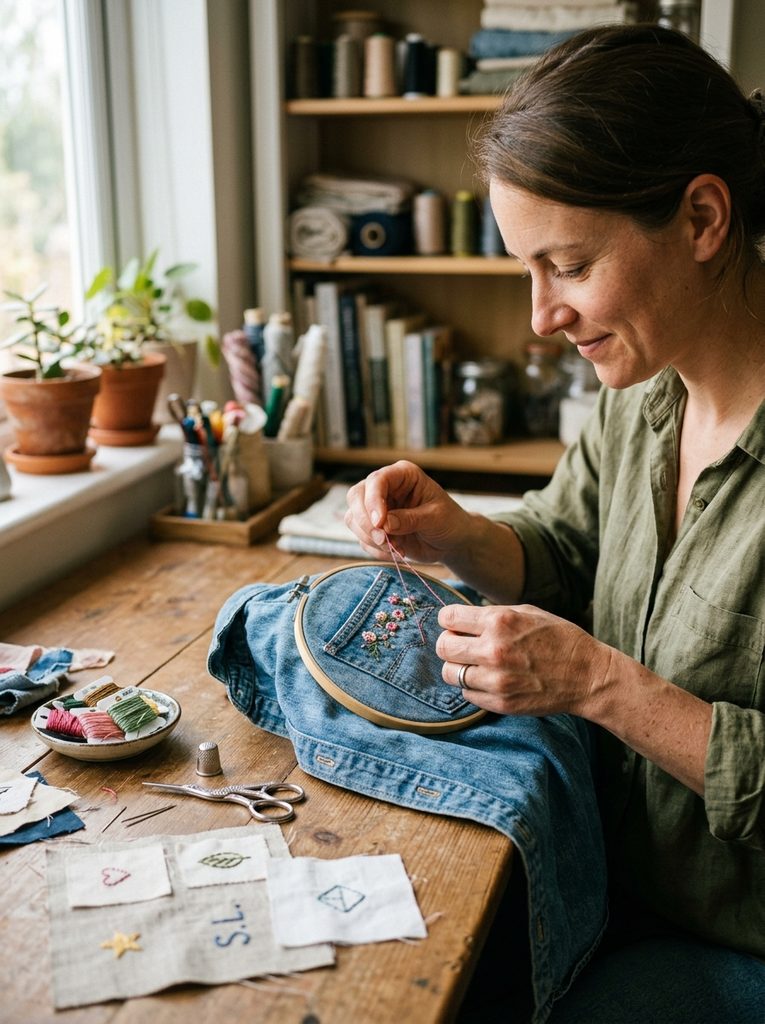
Handmade details don’t have to be perfect. In fact, the slightly imperfect look can make the garment feel more personal.
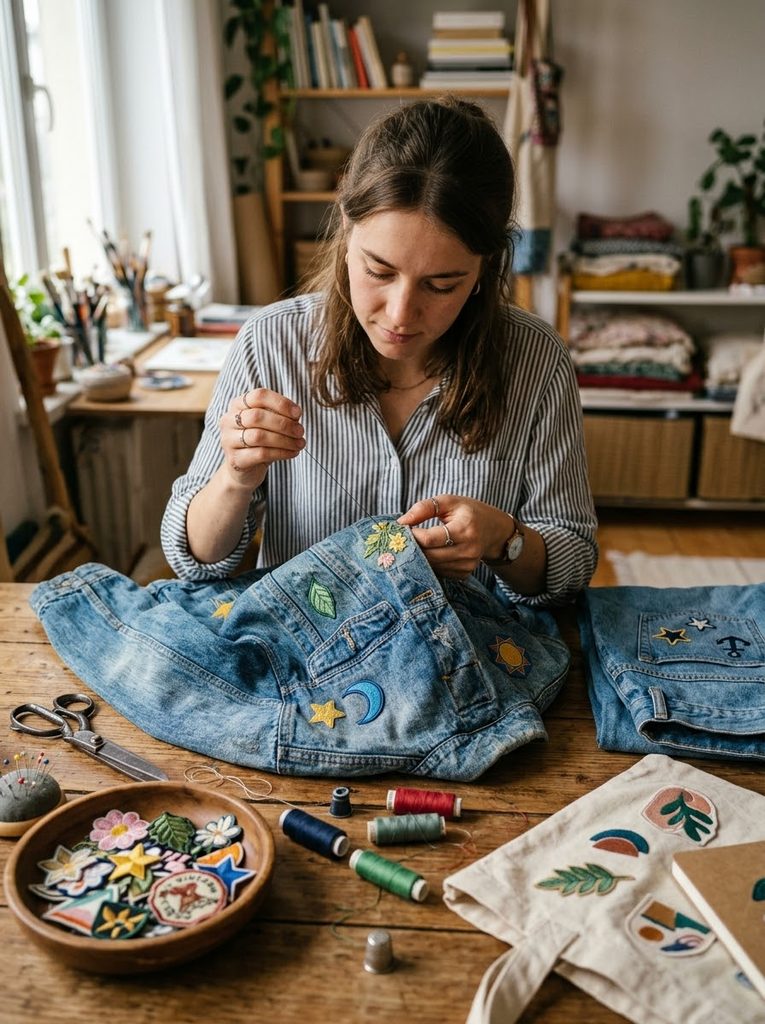
Add Patches to Denim and Casual Clothes
Patches are another fun way to refresh older clothing.
They can add personality to denim jackets, jeans, bags, and casual shirts.
Choose patches based on your style.
You could create a simple look with one small patch or make a more playful design with several.
Patches can also be useful for covering certain small stains or damaged areas, provided they are appropriate for the garment.
This is a great option if you want your old clothes to feel intentionally customized rather than simply repaired.
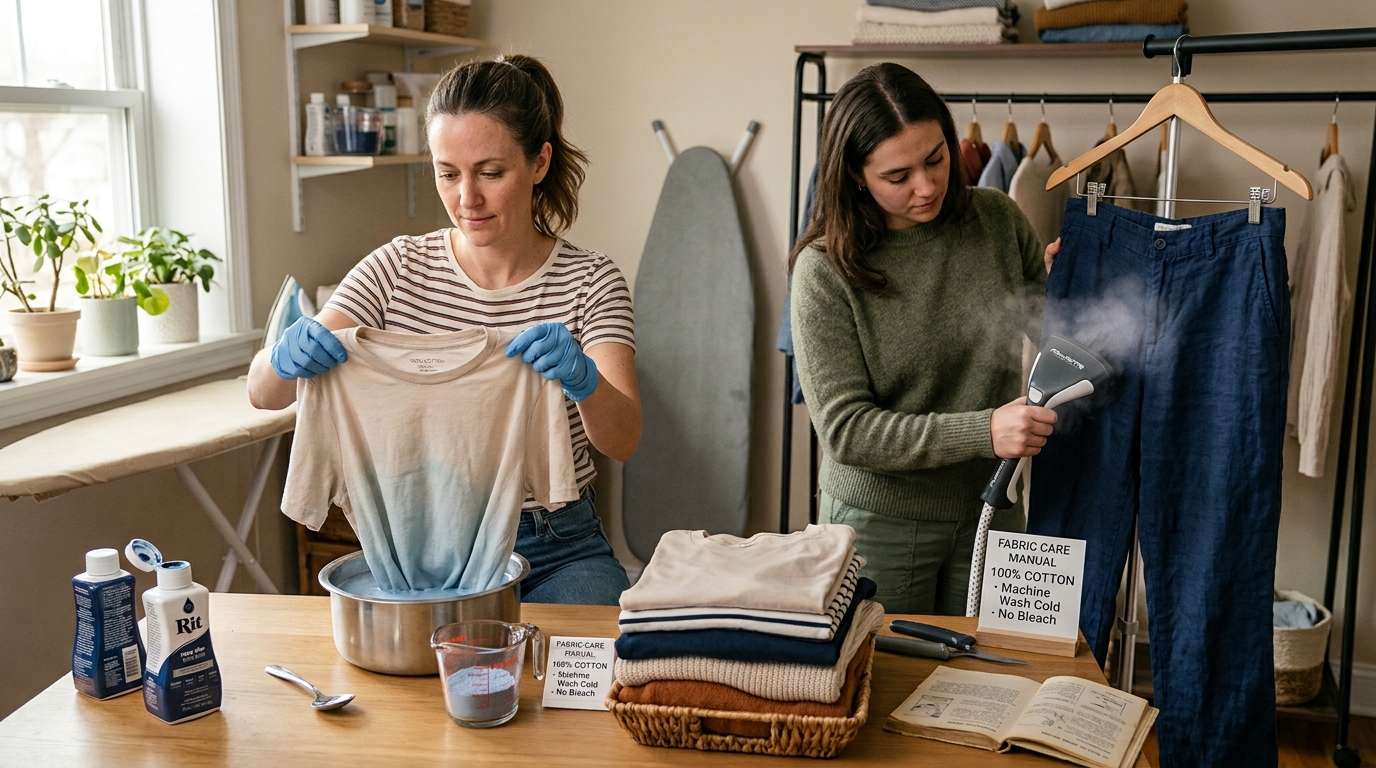
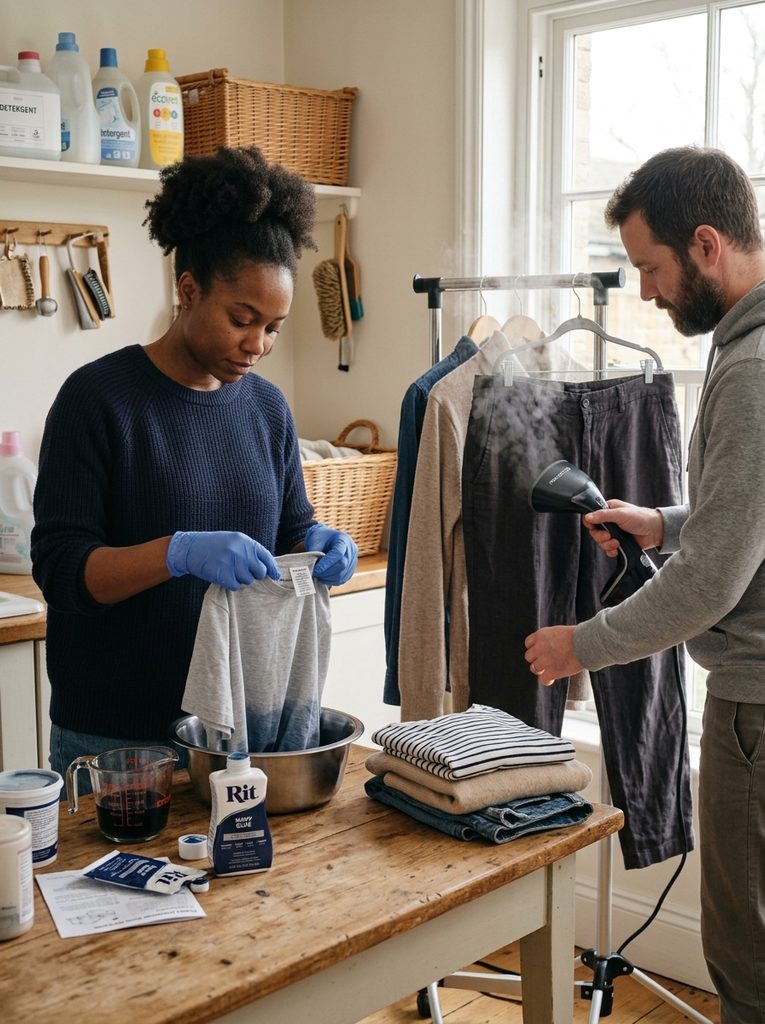
Experiment With Fabric Dye
Changing the color of a garment can make it feel completely different.
Fabric dye can be especially useful for certain cotton or other compatible materials that have faded or that you simply don’t enjoy in their original color anymore.
Before dyeing anything, check:
- The fabric composition
- The dye instructions
- The original garment color
- Whether the stitching may react differently
Remember that dye results aren’t always predictable.
If you’ve never dyed clothes before, start with an inexpensive garment rather than your most treasured piece.
Refresh Your Clothes With Steam or Careful Pressing
Wrinkled clothing can look much older than it actually is.
A clean, freshly steamed garment often looks more polished immediately.
Use the correct temperature for the fabric and follow the care label.
For delicate materials, be especially careful.
You don’t need to press every item in your closet. Focus on garments where removing wrinkles makes the biggest difference.
A simple steam or press can make an old shirt, dress, or pair of trousers look much more put together.
Store Your Clothes Properly
Good clothing care doesn’t stop after washing.
How you store clothes can affect their appearance and lifespan.
Avoid overcrowding your closet.
Give hanging garments enough room so they aren’t constantly crushed against one another.
Heavy sweaters are often better folded rather than hung because hanging can stretch the shoulders.
Make sure clothes are completely dry before storing them for a long period.
For seasonal clothing, clean and dry the pieces before putting them away.
Proper storage helps prevent unnecessary wrinkles, odors, stretching, and damage.
Create New Outfits From Clothes You Already Own
Here’s a fun challenge:
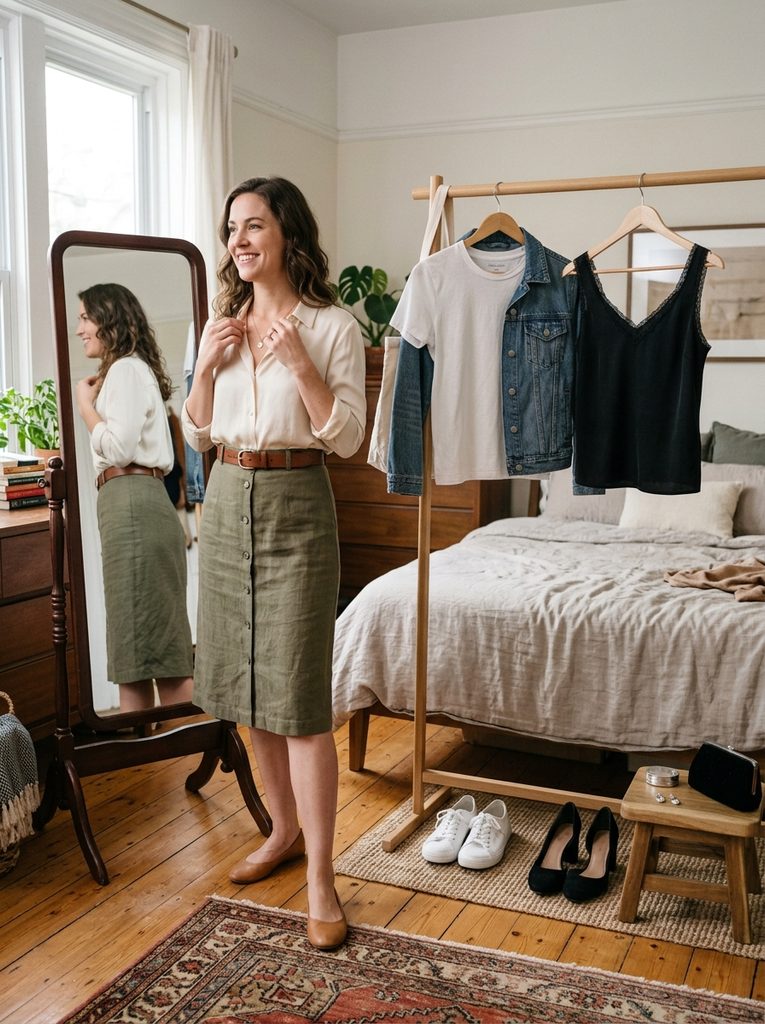
Choose one old item from your closet and create three completely different outfits around it.
For example, take one simple skirt.
Look One: Casual
Pair it with a basic T-shirt and sneakers.
Look Two: Polished
Add a blouse, belt, and simple flats.
Look Three: Evening
Add a dressier top, jewelry, and elegant shoes.
The same skirt can suddenly feel like three different pieces.
This is a great way to get more use out of your existing wardrobe.
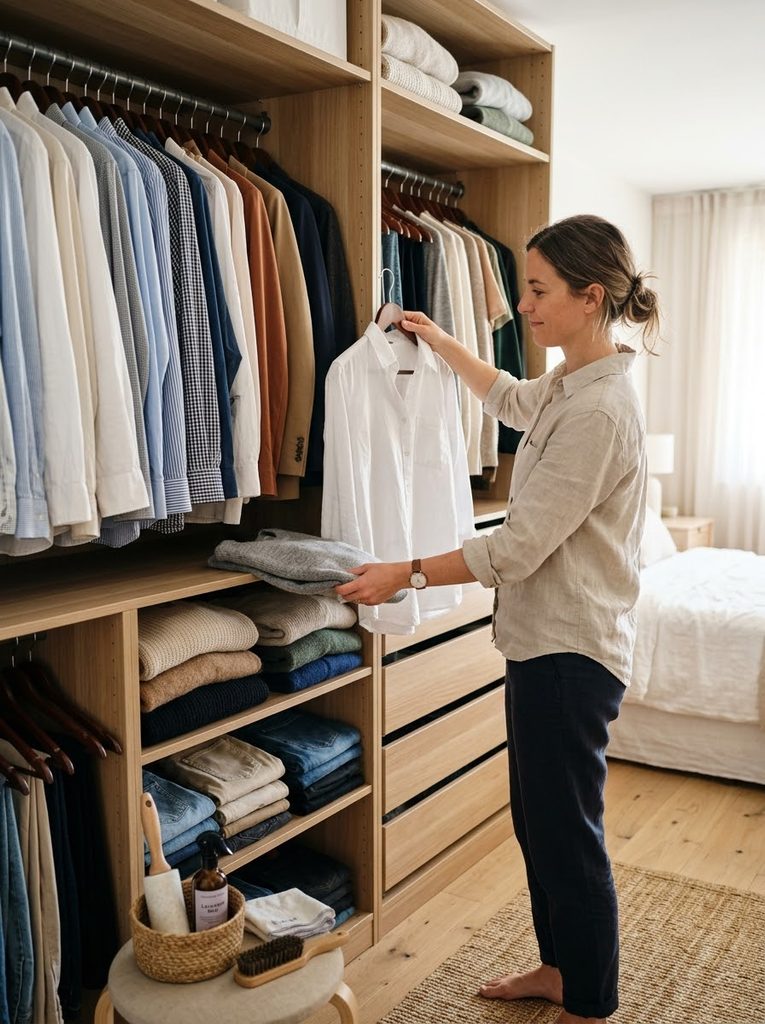
Reorganize Your Closet
Sometimes your clothes feel boring simply because you’ve stopped noticing them.
A closet that is too crowded can hide your best pieces.
Try reorganizing it by:
- Color
- Clothing type
- Season
- Occasion
Keep frequently worn pieces where they’re easy to see.
You can also move less-used items to a different section and rotate them occasionally.
When everything is visible and organized, you’re more likely to create new outfits from what you already own.
Take Better Care of Clothes Between Washes
You can extend the life of your clothing by changing a few everyday habits.
Try to:
- Hang or fold clothes properly after wearing them
- Empty pockets before washing
- Treat stains quickly
- Follow care labels
- Avoid unnecessary washing
- Keep delicate fabrics away from rough surfaces
- Store clothes in a dry, clean space
Small habits may not seem important, but they add up over time.
Clothing that receives better care naturally stays wearable for longer.
Repurpose Clothes That Can’t Be Saved
Not every garment can be restored.
Sometimes a shirt is too damaged to wear, or a pair of jeans has reached the end of its useful life.
That doesn’t necessarily mean it belongs in the trash.
Depending on the condition, old clothing can be turned into:
- Cleaning cloths
- Tote bags
- Cushion covers
- Fabric decorations
- Craft materials
- Quilting pieces
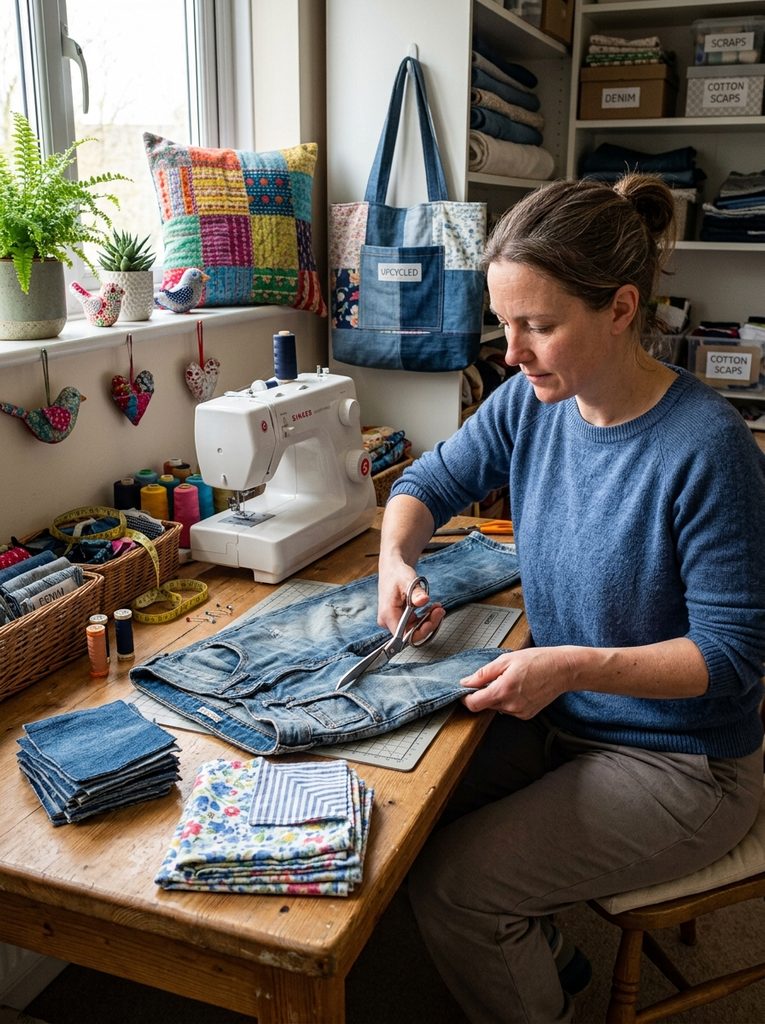
Repurposing gives the material another purpose and can keep usable fabric out of the waste stream.
Don’t Forget About Shoes and Bags
Your clothes aren’t the only things that can make your wardrobe feel old.
Shoes and bags can also benefit from a little care.
Clean suitable shoes according to their material.
Remove dust from bags and organize their contents.
Polish or condition materials when the manufacturer’s care instructions recommend it.
Replace damaged laces or small hardware when possible.
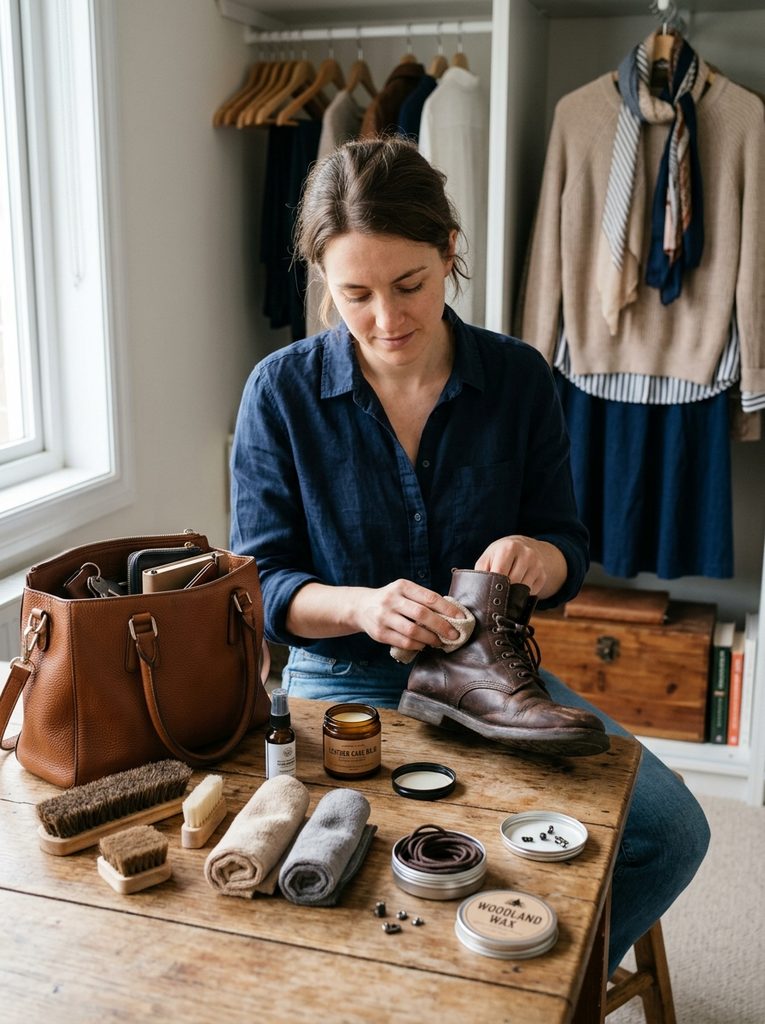
A clean pair of shoes and a well-maintained bag can make an older outfit feel much more polished.
Final Thoughts
Making old clothes feel new again doesn’t have to involve a shopping spree.
Sometimes your wardrobe needs a little attention rather than more clothes.
A proper wash can bring back freshness. Removing fabric pills can make sweaters look cleaner. Replacing buttons can transform a basic cardigan. A small alteration can improve the fit. And simply styling an old favorite in a completely different way can make it feel like something you just bought.
The biggest trick is to stop looking at your wardrobe as a collection of old clothes and start seeing it as a collection of possibilities.
Before buying something new, take a second look at what you already own.
That forgotten dress, faded pair of jeans, or old shirt may have plenty of life left in it.
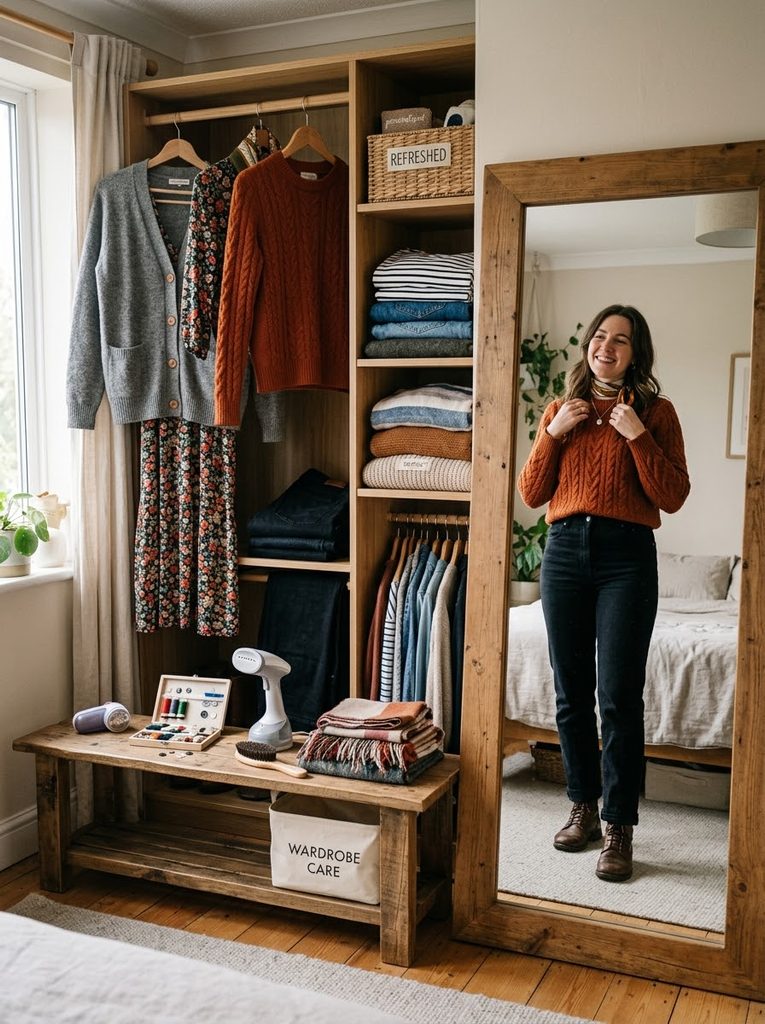
With a little creativity and care, you can refresh your wardrobe, save money, reduce clothing waste, and fall in love with your favorite clothes all over again.